
5 Reasons Solar Panel Cleaning Boosts Power Output in 2026
Share this article
Solar panels lose power primarily due to "soiling," which is the accumulation of dust, pollen, bird droppings, and industrial pollutants. These layers block sunlight from reaching the photovoltaic cells, reducing efficiency by up to 30%. Regular solar panel cleaning is essential to restore peak production and ensure your investment pays off.
Why is my solar energy production dropping?
If you have noticed a steady decline in your monthly energy savings, you are likely witnessing the effects of environmental buildup. Many homeowners and business owners in Central Texas assume that solar panels are "self-cleaning" because they are tilted and exposed to rain. However, this is a common misconception that can cost thousands of dollars in lost energy over the life of the system. In reality, light rain often worsens the problem by turning loose dust into a muddy film that cakes onto the glass.
Photovoltaic (PV) cells require direct contact with photons from sunlight to generate electricity. When a layer of grime sits on top of the tempered glass, it acts as a filter, reflecting or absorbing light before it can reach the silicon wafers. Even a thin, barely visible layer of limestone dust—common in areas like Austin, Round Rock, and Georgetown—can reduce your output by 5% to 10%. As that layer thickens, the losses compound. For a large commercial array, this inefficiency can represent a significant hit to the bottom line, making commercial cleaning and specialized maintenance a financial necessity rather than a luxury.
The hidden impact of environmental debris
Beyond simple dust, several other environmental factors contribute to the degradation of solar performance. In our service area, which spans from San Marcos up to Leander, we see a variety of "soiling" agents that require different approaches to remove safely. For instance, bird droppings are particularly damaging because they are opaque and highly acidic. Not only do they block 100% of the light from the cells they cover, but they can also cause permanent "hot spots" on the panel, leading to premature cell failure.
Common culprits that reduce solar efficiency include:
- Fine limestone and construction dust
- Heavy oak and cedar pollen
- Bird droppings and nesting materials
- Sap from overhanging trees
- Industrial soot and vehicle emissions
When these materials combine, they form a stubborn residue that standard rainfall cannot wash away. In fact, relying on rain can be counterproductive in Texas, where "mud rains"—rain that picks up dust from the atmosphere—are frequent. This leaves a spotted, streaky mess that further diffuses sunlight. This is why integrated property care, including window cleaning and panel washing, is so vital for maintaining curb appeal and utility.
How does Texas dust affect solar panels?
Central Texas is known for its wind and dry spells, which keep particulate matter constantly in the air. For property managers and landlords, this means that properties in high-traffic areas or near new developments are particularly susceptible to rapid soiling. When dust settles on a solar array, it doesn't just sit there; it interacts with humidity to create a bonded layer. This bond is surprisingly strong, requiring more than just a quick spray from a garden hose to dislodge.
In places like Kyle and Buda, the soil composition includes high levels of minerals that can leave behind "hard water" spots if not treated correctly. If a homeowner tries to clean their panels using a standard garden hose, they might actually be doing more harm than good. The high mineral content in local tap water can leave calcium deposits on the glass once the water evaporates. These white spots are extremely difficult to remove and can further obstruct sunlight, much like the scale buildup addressed in tile and grout cleaning scenarios inside the home.
Can I clean solar panels myself safely?
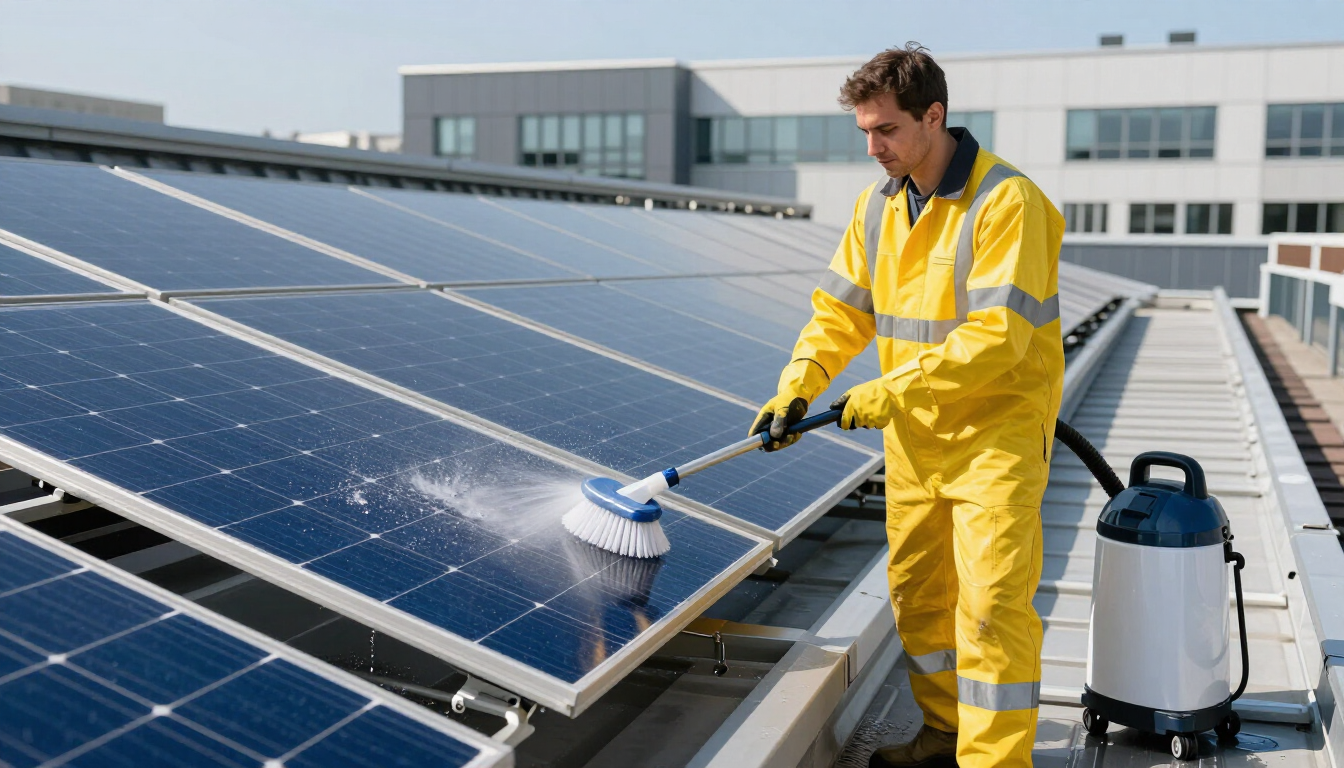
Safety is the primary concern when considering DIY solar panel cleaning . Most residential systems are located on roofs with steep pitches, making them dangerous for anyone without professional safety gear and training. Slippery wet panels, ladder heights, and the presence of high-voltage electrical components create a hazardous environment. Furthermore, using the wrong tools—such as abrasive brushes or high-pressure washers—can void your manufacturer's warranty.
Professional services, such as those offered by LEAP Facility Services, use specialized equipment designed for the task. This includes:
- Deionized water systems that leave no residue
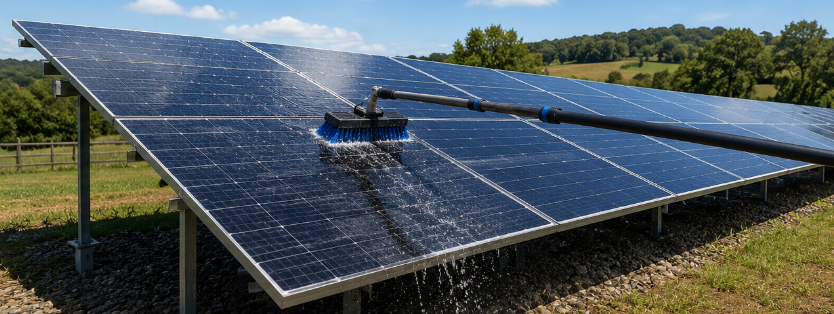
- Soft-bristle brushes that won't scratch tempered glass
- Fall protection and OSHA-compliant safety harnesses
- Low-pressure delivery to protect panel seals
- Bio-degradable, solar-safe cleaning solutions
Homeowners who attempt to use pressure washing equipment on their panels often inadvertently break the seals between the glass and the frame, leading to moisture intrusion and system failure. For business owners, the liability risks of having untrained employees climb onto a roof far outweigh the cost of hiring a professional team. Entrusting this task to experts who also handle handyman services ensures that any minor mounting issues or loose wires are spotted before they become major problems.
Professional maintenance vs. DIY methods
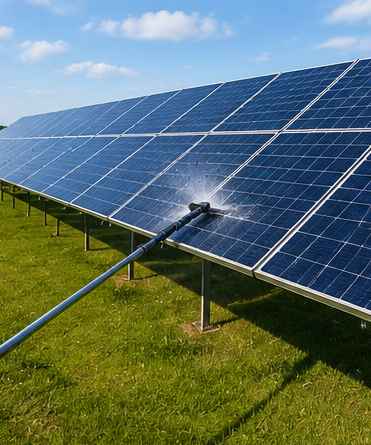
The difference between a professional clean and a DIY attempt is often visible in the utility bill. Professionals use reach-and-wash systems that allow them to clean large arrays from the ground or from a stable platform, ensuring total coverage without stepping on the panels themselves. Stepping on a solar panel can cause micro-cracks in the silicon cells—fractures that are invisible to the naked eye but significantly reduce the panel's lifespan and output over time.
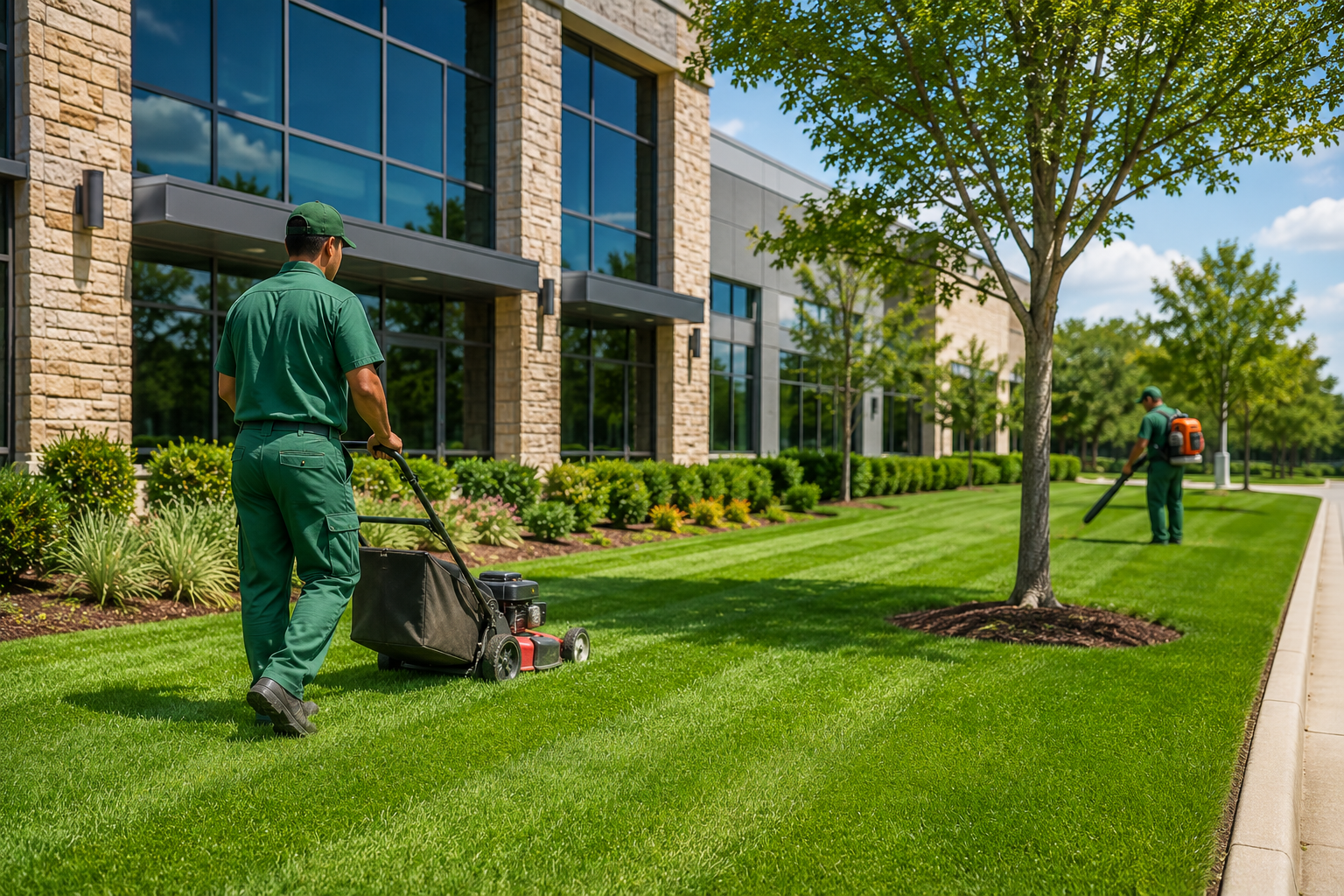
At LEAP Facility Services, we integrate solar care into our broader make-ready and property maintenance packages. This holistic approach means we aren't just looking at the glass; we are looking at the health of the entire exterior. For example, if we are performing landscaping and lawn maintenance , we take care to minimize the amount of grass clippings and dust blown toward the solar array. This preventative mindset is what separates a dedicated facility services company from a simple cleaning crew.
How often should you schedule solar panel cleaning?
The frequency of cleaning depends largely on your specific location and the surrounding environment. Properties in Bastrop or Elgin might deal with more agricultural dust, while those in downtown Austin face more urban pollution. Generally, we recommend a professional cleaning at least twice a year to maintain optimal efficiency. The best times for these visits are late spring—after the heavy oak pollen season has ended—and early autumn to prepare for the shorter days of winter when every bit of sunlight counts.
Key indicators that it's time for a cleaning include:
- A noticeable drop in daily kilowatt-hour (kWh) production
- Visible buildup of dirt, streaks, or bird droppings
- Accumulation of leaves or debris around the panel frames
- A lack of heavy, sustained rain for more than 30 days
- The start of a new peak energy season (summer/winter)
For commercial properties, a more frequent schedule may be necessary to meet green energy targets and maximize tax incentives. Integrating this into a regular janitorial services contract can streamline operations and ensure that the energy production side of the facility is as well-maintained as the interior. Regular check-ups can also prevent nesting by birds or rodents under the panels, which is a common cause of electrical fires and wiring damage.
Maximize your ROI with LEAP Facility Services
Investing in solar energy is a long-term commitment to sustainability and cost savings. However, that investment is only as good as the energy it produces. When your panels are covered in the grit and grime of Central Texas weather, you are essentially leaving money on the table. By choosing a professional solar panel cleaning service, you ensure that your system operates at its maximum potential, shortening the payback period of your installation and extending the life of the hardware.
LEAP Facility Services LLC is dedicated to helping property owners in Buda, Kyle, Austin, and the surrounding areas maintain their properties to the highest standards. Whether you need your home's solar array refreshed or a large-scale commercial cleaning for an industrial park, our team has the expertise and equipment to get the job done right. We understand the local climate and the specific challenges it poses to property maintenance, from post-construction cleaning to long-term solar care.
In summary, your solar panels are likely making less power than you think because of the invisible and visible layers of soiling that accumulate daily. To get the most out of your green energy investment, you must treat your panels with the same care as any other critical building system. Professional cleaning is safe, effective, and provides a clear return on investment through increased energy production and lower utility bills.
Core Takeaways for Solar Efficiency:
- Soiling can reduce solar power output by up to 30% if left uncleaned.
- Texas dust, pollen, and bird droppings create a resilient film that rain cannot remove.
- DIY cleaning poses significant safety risks and can void manufacturer warranties.
- Professional cleaning using deionized water and soft brushes maximizes energy ROI.
- Scheduling cleanings twice a year is the ideal maintenance benchmark for Central Texas.
Recent Posts