
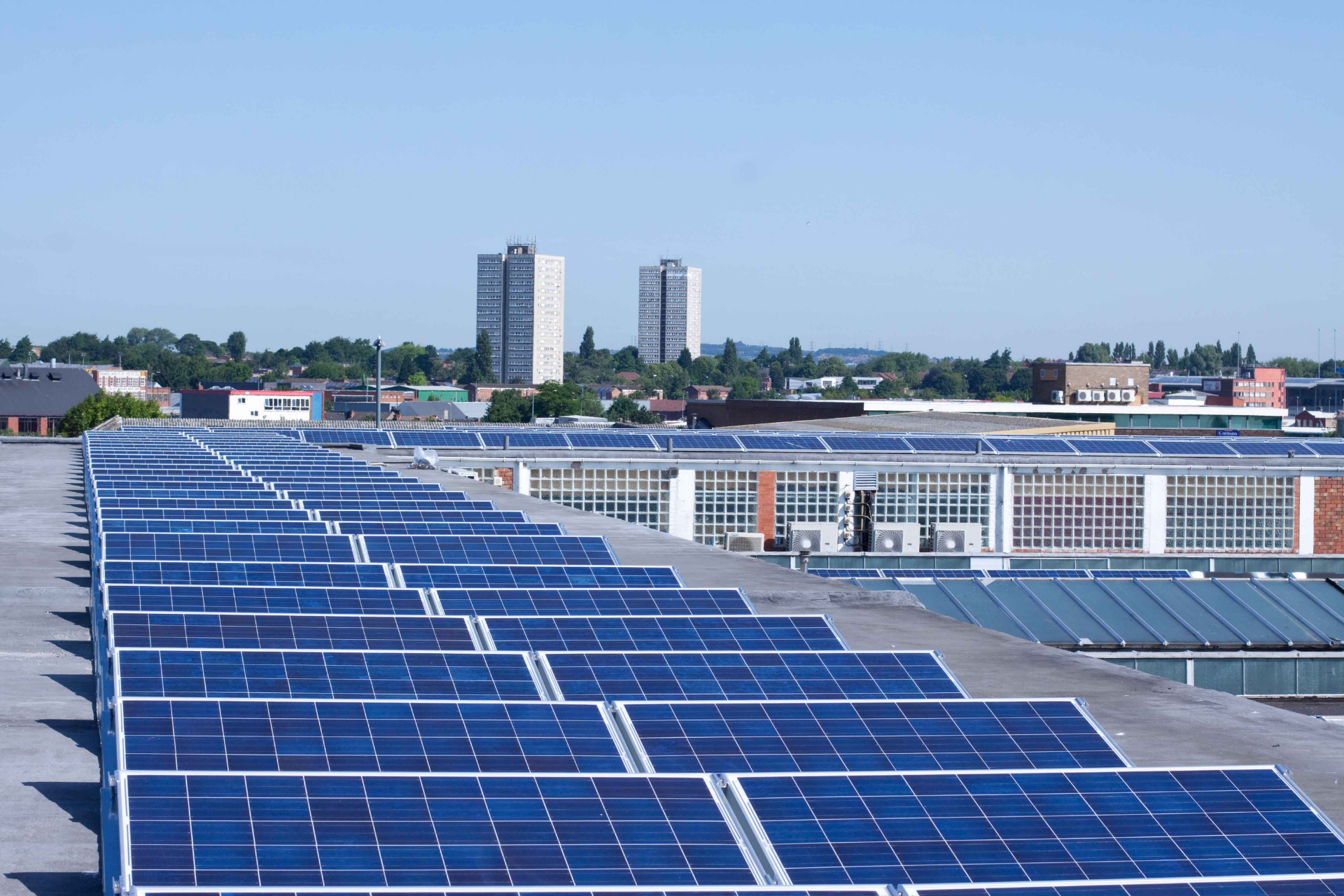

Does Solar Panel Cleaning Actually Improve Output? What Austin Home & Business Owners Should Know

LEAP Facility Services LLC

Share this article

Solar panels are everywhere in Central Texas — on rooftops in Pflugerville neighborhoods, commercial buildings in Austin, and homes across Round Rock and Cedar Park. And most owners assume the same thing: the panels are up there, the sun is shining, and the system is doing its job.


But here's what many solar owners don't realize: dirty panels quietly produce less power every single day. The question isn't whether cleaning improves output — it's how much production you're currently losing without knowing it.

How Dirt Actually Reduces Solar Output

Solar panels work by absorbing sunlight. Anything sitting on the glass — dust, pollen, bird droppings, leaf debris — blocks light from reaching the cells underneath. Less light in means less electricity out.


Studies and industry testing consistently show that soiled panels lose anywhere from 5% to 25% of their output, depending on how dirty they are. Light dust film costs a few percent. Heavy buildup — especially bird droppings, which block cells completely — can cut production far more.


There's another problem beyond lost output: hot spots. When part of a panel is shaded by heavy soiling (like a large dropping), that section can overheat while the rest of the panel keeps working. Over time, hot spots can permanently damage cells and shorten panel lifespan.

Why Austin Panels Get Dirtier Than You Think

Many solar owners are told "the rain will clean them." In Central Texas, that's only half true:


  • Long dry spells. Austin regularly goes weeks without meaningful rain, especially in summer — exactly when your panels should be producing the most. Dust builds continuously with nothing washing it away.
  • Heavy spring pollen. Cedar, oak, and other Central Texas pollen coats panels in a film that light rain smears rather than removes.
  • Dust and construction debris. Ongoing development across the Austin metro keeps fine dust in the air year-round.
  • Bird droppings don't rinse off. Rain doesn't remove baked-on droppings — and they're the single worst type of soiling for panel output.


Rain also leaves its own residue. Water evaporates; the dirt in it stays behind, often collecting along the bottom edge of tilted panels where it forms a stubborn grime line.

How Much Difference Does Cleaning Make?

For a typical residential system, recovering even 5–10% of lost production adds up over every sunny day of the year. For commercial systems with dozens or hundreds of panels, the recovered output is significantly larger — dirty panels on a commercial array can quietly cost thousands in lost energy value annually.


Cleaning also protects your investment in other ways:


  • Warranty protection. Many panel manufacturers list soiling-related damage as a maintenance issue. Documented regular cleaning keeps your warranty position strong.


  • Longer panel life. Removing droppings and debris prevents the hot spots that degrade cells prematurely.


  • Accurate system monitoring. Clean panels give you a true performance baseline, so real problems (failing inverters, wiring issues) are easier to spot.
Janitor in blue uniform mopping a bright office floor beside a cleaning machine and large windows

How Often Should Solar Panels Be Cleaned?

For most Austin-area homes and businesses, once or twice a year is the right rhythm — ideally after peak pollen season in spring and again in late summer or fall after the dry months.


Schedule more frequent cleaning if:


  • Your property is near active construction, busy roads, or open fields
  • Trees overhang or sit near the array (more debris, more birds)
  • You notice a drop in production on your monitoring app
  • Visible buildup, droppings, or a grime line along the panel edges

The pattern is simple: finish is sacrificial and replaceable. Tile is not. Strip and wax on schedule protects the expensive part.

Get More From the System You Already Paid For

Your solar system is a long-term investment — but it only pays off at full value when light can actually reach the cells. Regular professional cleaning is one of the simplest ways to recover lost output, protect your panels, and extend the life of your array.


LEAP Facility Services provides professional solar panel cleaning for homes and businesses throughout Pflugerville, Austin, Round Rock, Georgetown, Hutto, Cedar Park, and surrounding Central Texas communities. Our licensed and insured team uses safe, panel-friendly cleaning methods — and we can bundle it with window cleaning, pressure washing, and other exterior services in one visit.

Recent Posts

Clean tile and grout lines in a modern home
August 23, 2026
Discover why grout keeps turning black in Austin homes and businesses. Learn about humidity, hard water, and professional tile and grout cleaning solutions.
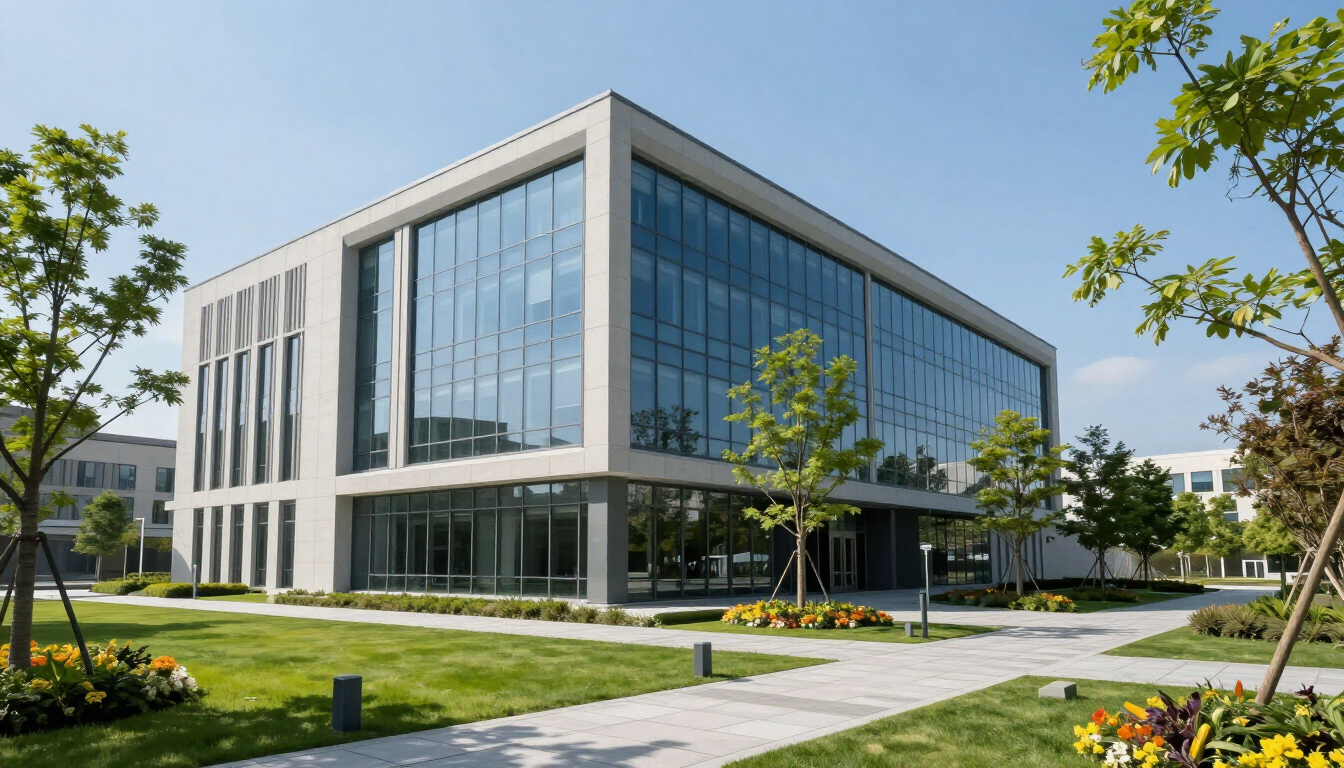
Clean commercial building exterior in Texas sunshine
August 16, 2026
Discover the optimal schedule for commercial property pressure washing in 2026. Learn how Texas weather and property type impact your cleaning needs.

Clean vs dirty solar panel comparison showing efficiency impact
August 9, 2026
Learn why solar panels underperform due to Texas dust and debris, and how professional solar panel cleaning restores efficiency and maximizes ROI.
August 2, 2026
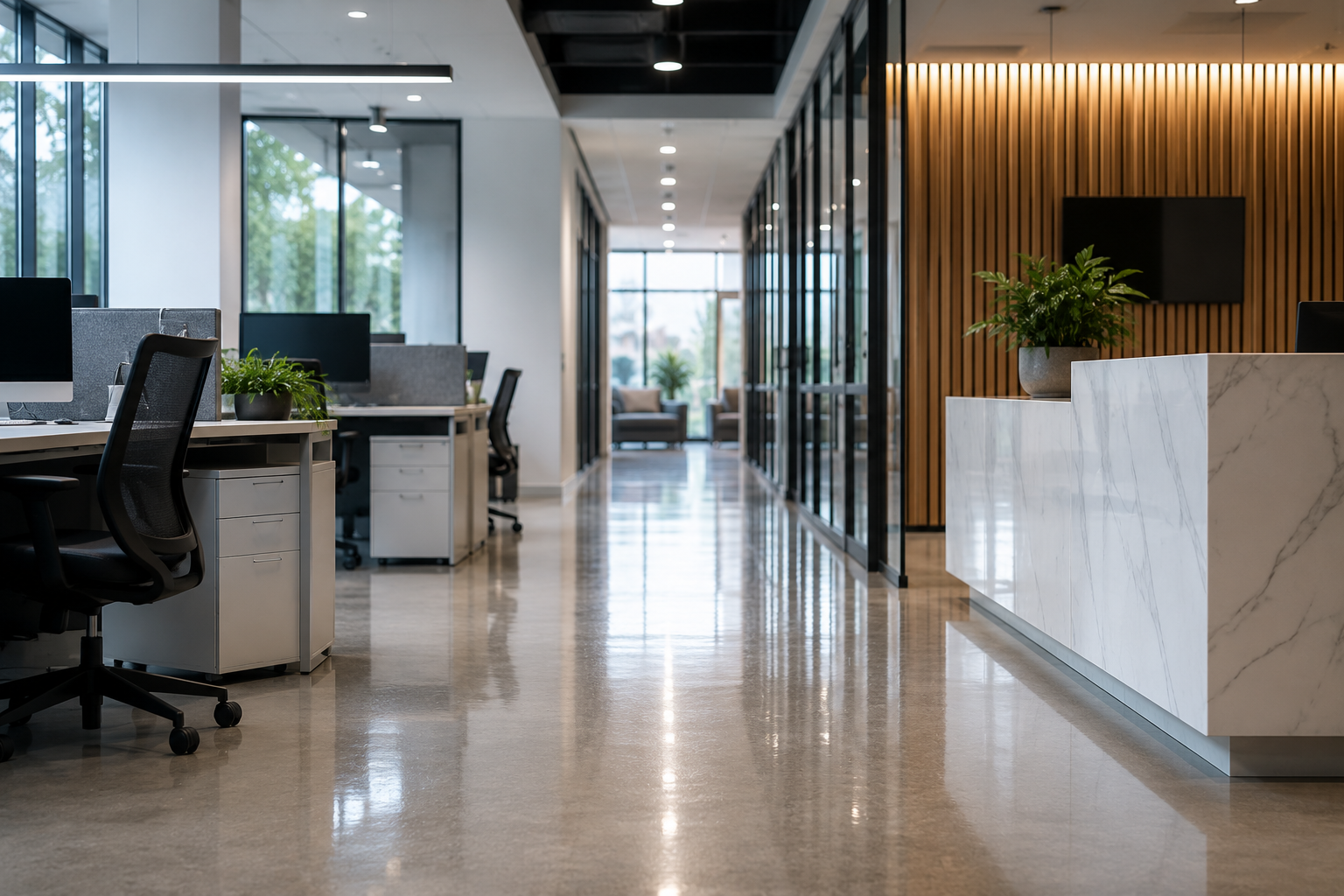
How do you know if your janitorial service is actually doing a good job? Most facility managers in Austin can't answer that question with confidence — because they've never seen a clear standard to measure against. The office "looks fine," the invoices arrive on time, and problems only surface when an employee complains about a dirty restroom or a client notices dusty conference room blinds.  Here's a complete office cleaning checklist broken down by frequency. Use it to audit your current janitorial vendor — or to build the scope of work for your next one.

July 26, 2026
Every day a rental unit sits vacant, it costs money. For property managers across Austin, Round Rock, and Pflugerville, the turnover period between tenants is where profitability is won or lost — and the biggest time-killer isn't the work itself. It's the coordination. The painter can't start until the drywall guy finishes. The cleaner can't come until the flooring is done. The flooring crew is booked for two weeks. Suddenly a five-day turn becomes a three-week vacancy.  Here's the complete make-ready sequence — and how getting it done through one team instead of five contractors cuts your turnover time dramatically.
By Abner Villeda July 12, 2026
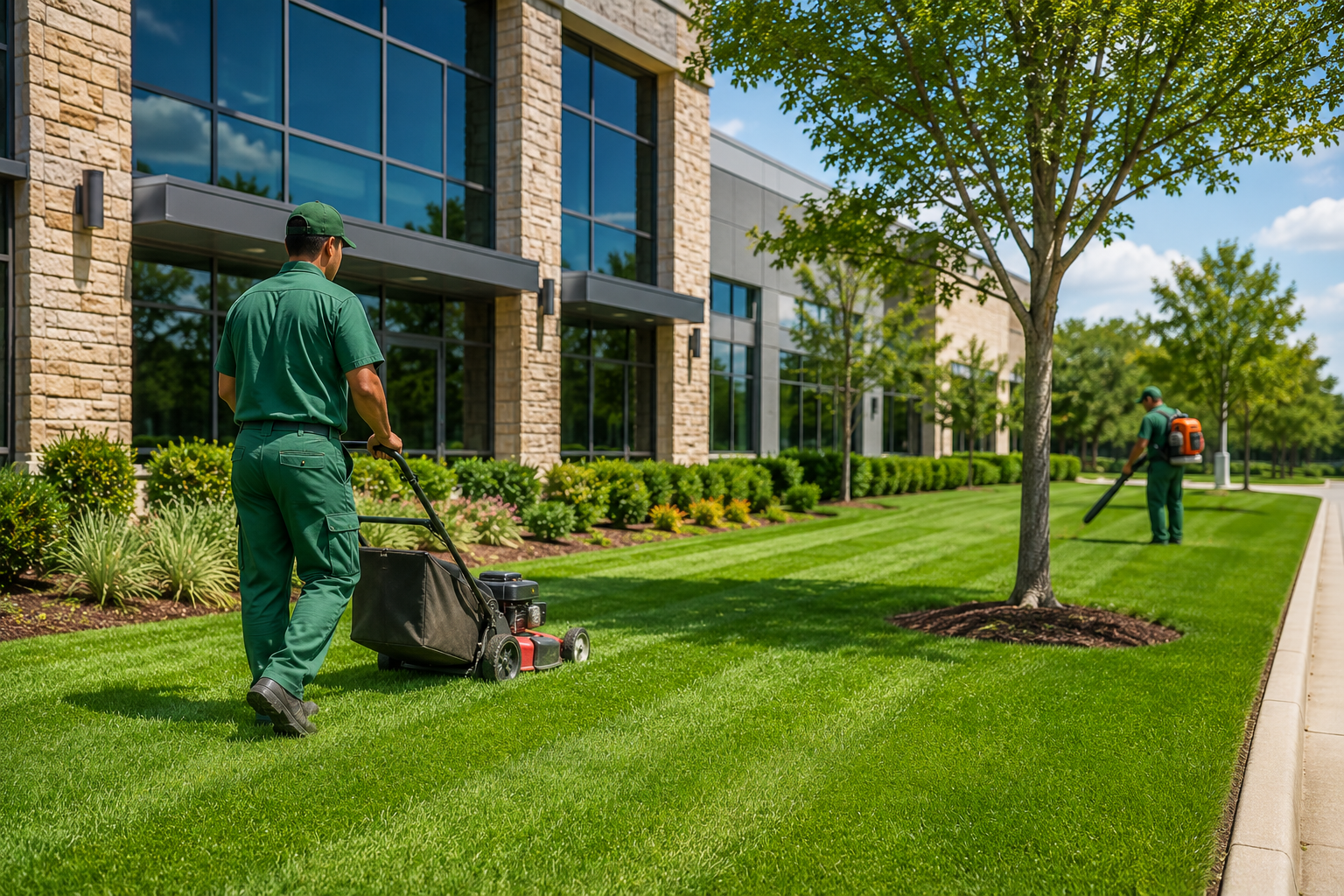
Walk through any neighborhood in Austin, Pflugerville, or Round Rock and you'll see the same two grasses over and over: St. Augustine and Bermuda. Together they cover the vast majority of Central Texas lawns — and yet most property owners care for them exactly the same way. That's a mistake. These two grasses have opposite personalities. What makes St. Augustine thrive can weaken Bermuda, and what keeps Bermuda healthy can stress St. Augustine. Here's how to tell which one you have and how to care for each the right way.
July 12, 2026
Learn how often commercial VCT floors need strip and wax, the signs they're overdue, and what neglect costs Austin, TX businesses.

Man in a navy suit holding a tablet in a bright modern lobby with seating and large windows
May 29, 2026
Discover why Austin property managers choose one facility services company to simplify maintenance, lower costs, and improve property quality.

Modern office with wooden desk and chair, overlooking a city skyline through large windows.
May 29, 2026
Discover why a local facility services company in Austin outperforms national franchises. Learn why Austin property managers and homeowners get better results.
Modern glass office building with landscaped lawn and walkway in bright daylight
May 29, 2026
Learn how a commercial property maintenance schedule helps Austin property managers reduce costs, prevent repairs, and protect assets.

Show More
