

How Often to Pressure Wash Commercial Properties (Guide)

LEAP Facility Services LLC

Share this article

Commercial properties should typically be pressure washed once or twice a year to maintain structural integrity and curb appeal. However, high-traffic areas like retail entryways may require monthly cleaning, while sheltered industrial sites might only need service every two years depending on local environmental factors and usage.

Why is Pressure Washing Vital for Your Property?

Maintaining a commercial building involves more than just interior upkeep. The exterior of your property is the first thing clients, tenants, and employees see. Over time, dust, grime, bird droppings, and mold can accumulate, leading to a dingy appearance that can negatively impact your brand's reputation. Regular maintenance through professional pressure washing ensures that your building looks professional and inviting.

Beyond aesthetics, regular cleaning protects your investment. Contaminants like algae and moss can trap moisture against building surfaces, leading to rot or degradation of materials like wood, stucco, and even masonry. By removing these elements, you extend the lifespan of your exterior finishes and prevent costly repairs down the road. This proactive approach is a cornerstone of effective make-ready and property maintenance .

Additionally, safety is a significant concern. Oil spills, grease, and algae growth on sidewalks or parking lots can create slip-and-fall hazards. Periodic power washing removes these slick substances, reducing liability risks for business owners and property managers. A clean property is a safe property, and documenting regular maintenance can even be beneficial for insurance purposes.

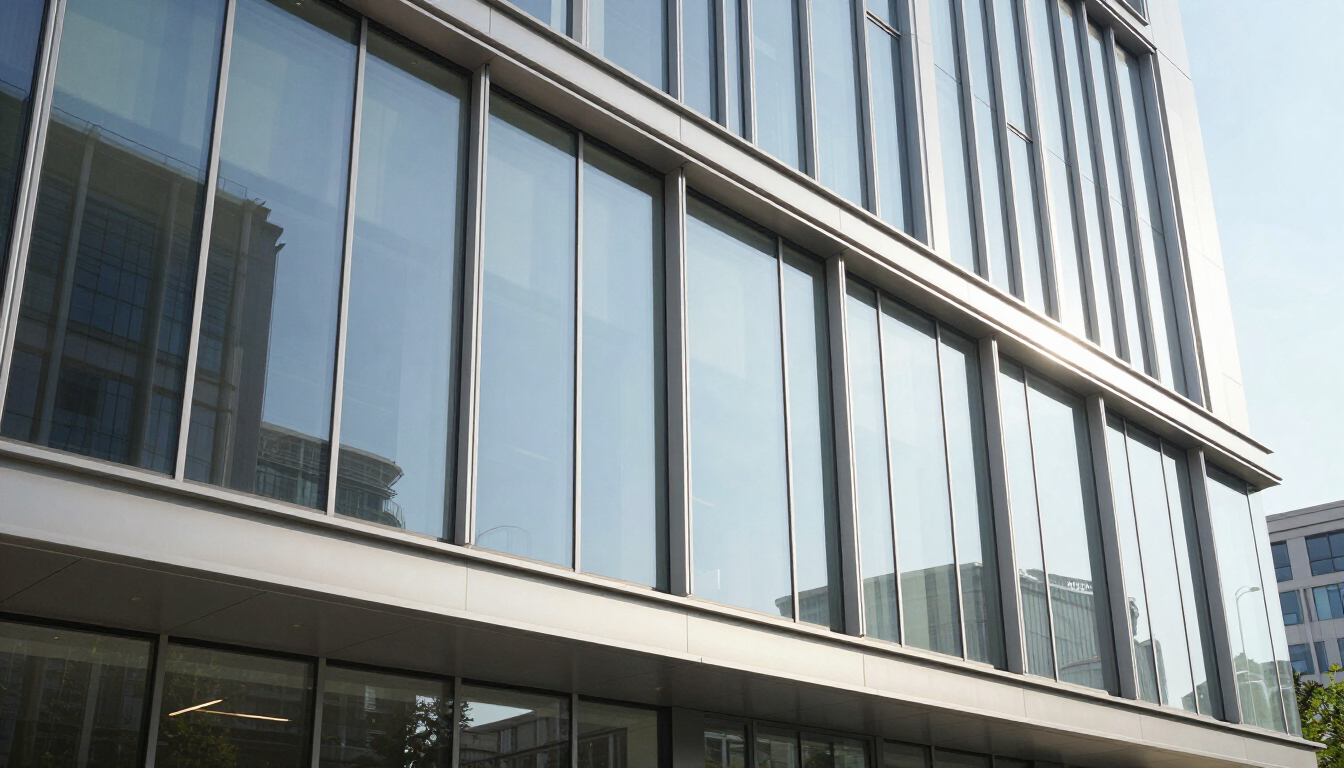
Clean commercial exterior

How often should commercial properties be pressure washed?

While a semi-annual schedule is a standard benchmark, the specific needs of your property can vary significantly. Determining the right frequency requires evaluating several operational and environmental variables. If your business is located in a high-traffic area of Austin or Round Rock, you will likely need more frequent attention than a warehouse in a quiet industrial park.

Here are some general guidelines for different property types:

  • Restaurants and Food Service: Monthly cleaning for entryways and weekly for dumpster pads.
  • Retail Centers: Quarterly or semi-annually to keep storefronts inviting for shoppers.
  • Office Buildings: Semi-annually, focusing on windows and main entrances.
  • Industrial Facilities: Annually or bi-annually, depending on the nature of the work performed.
  • HOA Communities: Semi-annually for common areas, pool decks, and shared walkways.

What factors affect your pressure washing schedule?

Several key factors influence how quickly grime builds up on your commercial exterior. Understanding these can help you customize a cleaning schedule that balances cost-effectiveness with maximum impact. For instance, properties located near major TX highways like I-35 often experience faster accumulation of soot and road film compared to those tucked away in residential zones.

Consider the following environmental and operational factors:

  1. Local Climate: Texas humidity can encourage rapid mold and mildew growth on shaded walls.
  2. Foot Traffic: High volumes of pedestrians lead to more gum, spills, and dirt on walkways.
  3. Nearby Construction: Ongoing development nearby can increase the amount of dust and debris in the air.
  4. Tree Coverage: Overhanging branches drop sap, leaves, and organic matter that stain surfaces.
  5. Roof Drainage: Poor gutter systems can lead to water streaks and mud splatter on the siding.

Environmental Impacts on Exterior Cleanliness

The geography of Central Texas plays a major role in property maintenance. The combination of intense sun, high heat, and occasional heavy rainfall creates a unique set of challenges for commercial exteriors. UV rays can bake stains into surfaces, making them harder to remove if left for too long. During the spring, cedar pollen and other allergens can coat your building in a yellow film, necessitating an immediate wash to maintain air quality and appearance.

Wind-blown dust is another factor, especially during the drier months in Buda and Kyle. Fine particles can settle into the pores of concrete and brick, dulling the color of your masonry. Regular commercial cleaning helps to lift these particles before they become deeply embedded. By staying ahead of the Texas elements, you ensure your property remains a standout in the local landscape.

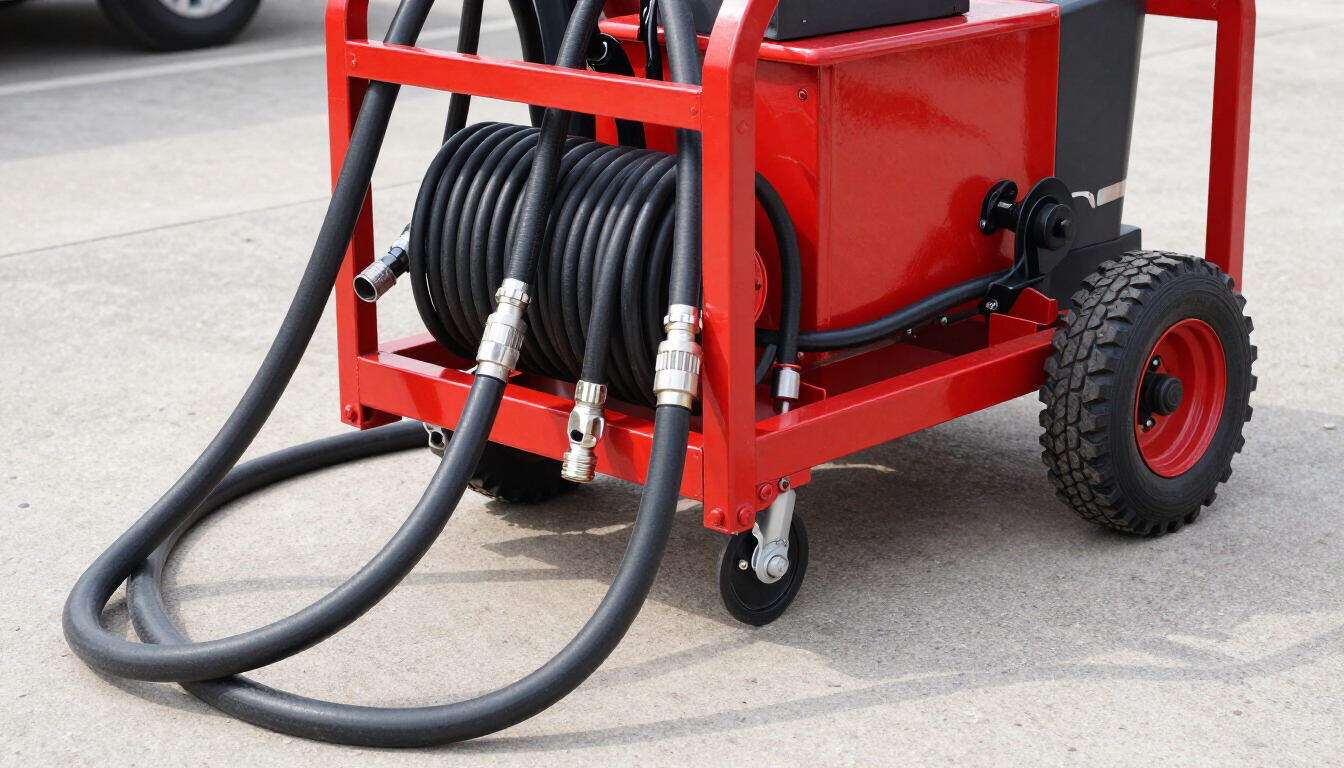
Pressure washing equipment

How does property type determine cleaning frequency?

The nature of your business operations is perhaps the most significant driver of your cleaning needs. A medical clinic requires a different level of perceived and actual cleanliness than a landscaping supply yard. Property managers must prioritize areas that directly impact the customer experience and safety.

For example, multi-family housing complexes managed by HOAs often require a consistent schedule to maintain property values and resident satisfaction. In contrast, a retail storefront in a busy shopping mall might need the sidewalk in front of its doors cleaned every month to remove chewing gum and soda spills that could otherwise be tracked into the store, damaging the flooring installation inside.

High-Traffic Areas That Need Monthly Attention

Not every part of your property needs to be washed at the same interval. Zoning your maintenance plan allows for a more efficient use of resources. High-traffic zones are the literal 'front lines' of your property and bear the brunt of daily wear and tear. These areas should be inspected monthly and cleaned as needed to prevent the build-up of unsightly and hazardous materials.

Key areas for frequent attention include:

  • Main Entrances: The first point of contact for every visitor to your business.
  • Loading Docks: Areas prone to oil leaks, exhaust soot, and heavy debris.
  • Sidewalks and Walkways: Subject to constant foot traffic, spills, and gum.
  • Dumpster Pads: Critical for pest control and odor management.
  • Parking Garage Floors: Accumulate oil, grease, and salt that can degrade concrete.

What are the benefits of regular pressure washing?

Investing in a regular schedule for pressure washing yields significant long-term benefits. It is one of the most cost-effective ways to improve the appearance of your building without undergoing a full remodeling and renovation project. A clean exterior signals to the public that the business is well-managed and attentive to detail, which builds consumer trust.

Furthermore, regular cleaning reveals underlying issues that might be hidden by dirt. Cracks in masonry, failing caulking, or wood rot are much easier to spot on a clean surface. This allows property managers to call for handyman services or drywall repair before a small problem becomes an emergency. In essence, pressure washing serves as a regular health check for your building's envelope.

Finally, it improves the health of the environment for those who work there. Removing allergens, mold spores, and pollutants from the exterior can lead to better indoor air quality, as these particles are less likely to be pulled into HVAC systems or tracked inside by employees. It is a holistic approach to facility management that prioritizes both the structure and its inhabitants.

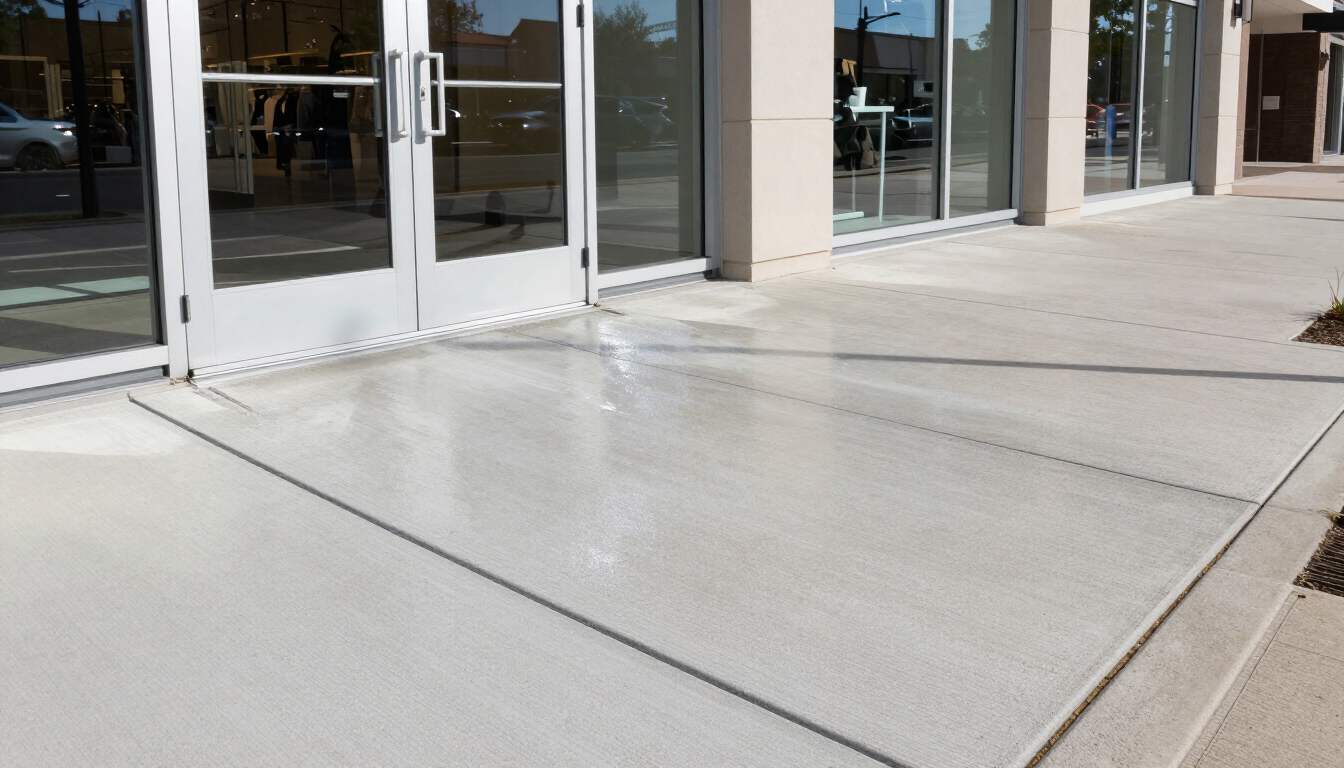
Clean sidewalk

Preparing for Seasonal Maintenance in Texas

In cities like Elgin and Pflugerville, the transition between seasons is the ideal time to schedule your exterior cleaning. A post-winter wash removes the salt and grime accumulated during the damp months, while a late-summer wash clears away the dust and pollen of the growing season. Aligning your pressure washing with your landscaping and lawn maintenance schedule ensures your entire curb appeal strategy is synchronized.

Preparing for the Texas heat also means checking your surfaces for heat-related stress. If you are planning on interior and exterior painting , a thorough pressure wash is a mandatory first step to ensure the new coat of paint adheres properly. Without a clean surface, new paint will peel and flake within a year, wasting your investment.

How to choose the right professional service?

Not all pressure washing is created equal. Commercial properties often require specialized equipment and techniques, such as hot water pressure washing for grease removal or 'soft washing' for delicate surfaces like stucco and roofs. When selecting a partner, look for a company that understands the specific needs of commercial facilities and has the insurance and experience to handle large-scale projects safely.

Ensure your service provider offers:

  • Customized Cleaning Plans: They should assess your property and suggest a tailored frequency.
  • Modern Equipment: The use of commercial-grade machines that can regulate pressure and temperature.
  • Eco-Friendly Solutions: Biodegradable cleaners that won't harm your landscaping or the local water supply.
  • Comprehensive Services: The ability to handle related needs like window cleaning or tile and grout cleaning .
  • Reliable Scheduling: A partner who can work around your business hours to minimize disruption.

Summary of Commercial Pressure Washing Frequency

To keep your commercial property in top condition, aim for a professional pressure wash at least once or twice per year . Adjust this frequency based on your specific industry, the amount of foot traffic you receive, and the unique environmental challenges of the Texas climate. High-impact areas like dumpster pads and storefront entrances often require monthly maintenance to ensure safety and hygiene.

Key Takeaways for Property Managers:

  • Schedule semi-annually for general building exteriors to prevent long-term damage.
  • Increase frequency for high-traffic zones, aiming for monthly or quarterly cleanings.
  • Factor in Texas weather , particularly pollen seasons and high-humidity months.
  • Use professional services to ensure the right technique (pressure vs. soft wash) is applied to each surface.
  • Combine services like window and sidewalk cleaning for a comprehensive curb appeal boost.

If you are ready to refresh your property's appearance and protect your investment, contact LEAP Facility Services today for a customized maintenance plan that fits your business needs.

Recent Posts

Clean tile and grout lines in a modern home
August 23, 2026
Discover why grout keeps turning black in Austin homes and businesses. Learn about humidity, hard water, and professional tile and grout cleaning solutions.

Clean vs dirty solar panel comparison showing efficiency impact
August 9, 2026
Learn why solar panels underperform due to Texas dust and debris, and how professional solar panel cleaning restores efficiency and maximizes ROI.
August 2, 2026
How do you know if your janitorial service is actually doing a good job? Most facility managers in Austin can't answer that question with confidence — because they've never seen a clear standard to measure against. The office "looks fine," the invoices arrive on time, and problems only surface when an employee complains about a dirty restroom or a client notices dusty conference room blinds.  Here's a complete office cleaning checklist broken down by frequency. Use it to audit your current janitorial vendor — or to build the scope of work for your next one.

July 26, 2026
Every day a rental unit sits vacant, it costs money. For property managers across Austin, Round Rock, and Pflugerville, the turnover period between tenants is where profitability is won or lost — and the biggest time-killer isn't the work itself. It's the coordination. The painter can't start until the drywall guy finishes. The cleaner can't come until the flooring is done. The flooring crew is booked for two weeks. Suddenly a five-day turn becomes a three-week vacancy.  Here's the complete make-ready sequence — and how getting it done through one team instead of five contractors cuts your turnover time dramatically.

July 19, 2026
Solar panels are everywhere in Central Texas — on rooftops in Pflugerville neighborhoods, commercial buildings in Austin, and homes across Round Rock and Cedar Park. And most owners assume the same thing: the panels are up there, the sun is shining, and the system is doing its job. But here's what many solar owners don't realize: dirty panels quietly produce less power every single day. The question isn't whether cleaning improves output — it's how much production you're currently losing without knowing it.
By Abner Villeda July 12, 2026
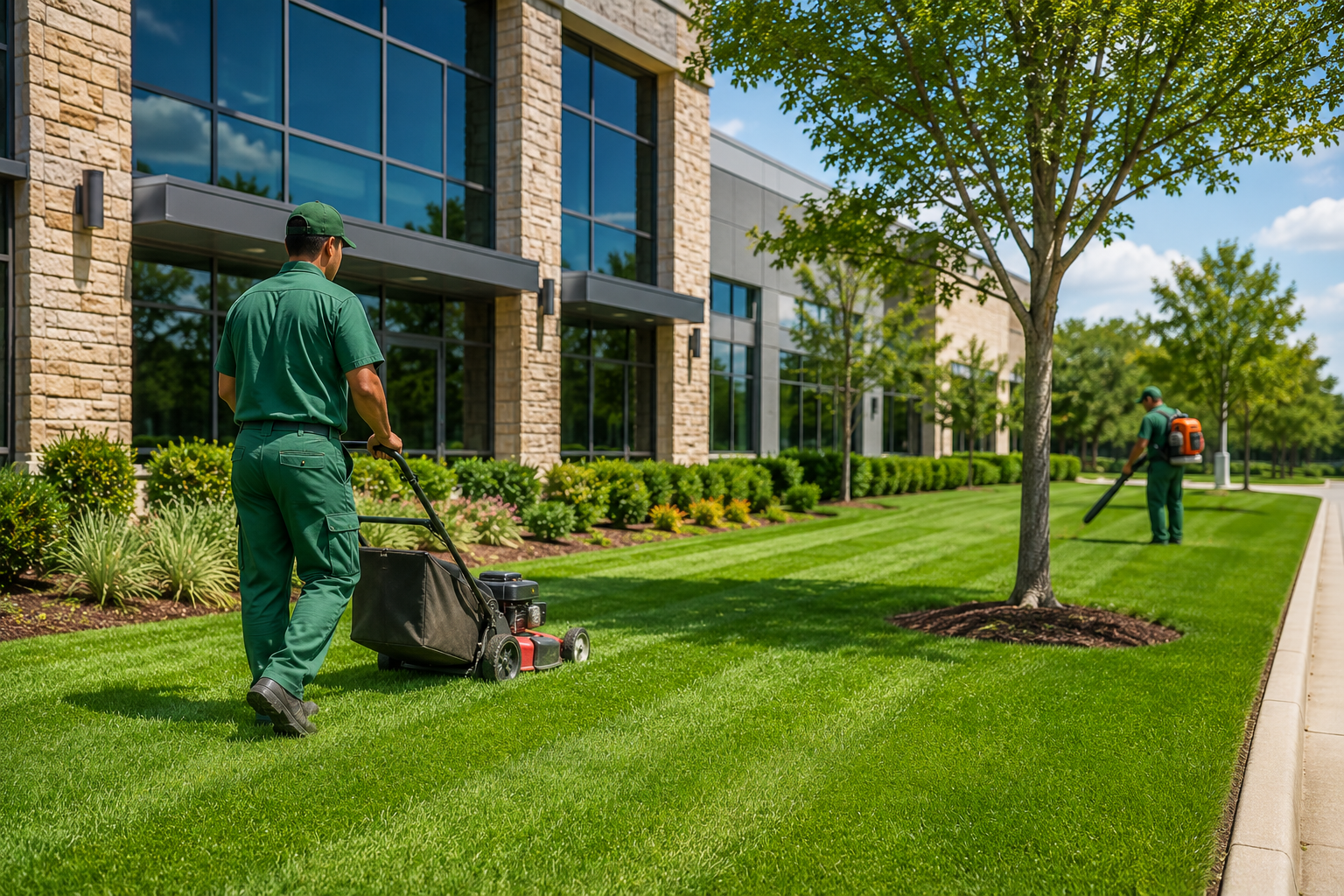
Walk through any neighborhood in Austin, Pflugerville, or Round Rock and you'll see the same two grasses over and over: St. Augustine and Bermuda. Together they cover the vast majority of Central Texas lawns — and yet most property owners care for them exactly the same way. That's a mistake. These two grasses have opposite personalities. What makes St. Augustine thrive can weaken Bermuda, and what keeps Bermuda healthy can stress St. Augustine. Here's how to tell which one you have and how to care for each the right way.
July 12, 2026
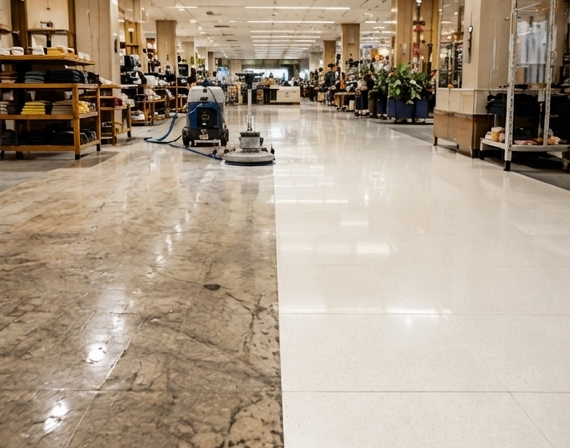
Learn how often commercial VCT floors need strip and wax, the signs they're overdue, and what neglect costs Austin, TX businesses.

Man in a navy suit holding a tablet in a bright modern lobby with seating and large windows
May 29, 2026
Discover why Austin property managers choose one facility services company to simplify maintenance, lower costs, and improve property quality.

Modern office with wooden desk and chair, overlooking a city skyline through large windows.
May 29, 2026
Discover why a local facility services company in Austin outperforms national franchises. Learn why Austin property managers and homeowners get better results.
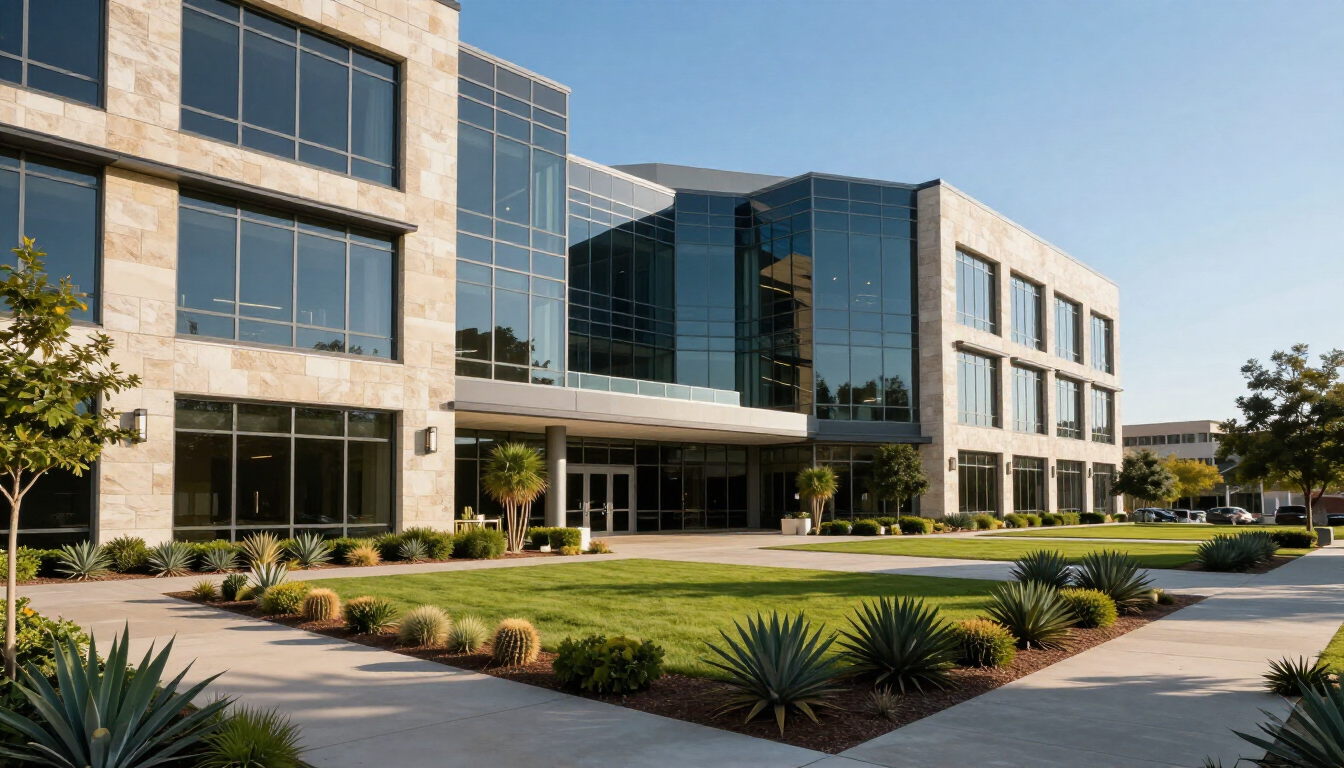
Modern glass office building with landscaped lawn and walkway in bright daylight
May 29, 2026
Learn how a commercial property maintenance schedule helps Austin property managers reduce costs, prevent repairs, and protect assets.
Show More
